
In Brief!
A selection of concrete initiatives to integrate accessibility from the design stage: between educational awareness, design documentation, and inclusion in professional practices.
Issue
Accessibility is still too often seen as a cost or a constraint to be added at the end of a project. The result: it is neglected or postponed, risking the exclusion of users and generating high corrective costs.
How can we ensure that accessibility becomes a simple reflex integrated into design, product, and tech practices, without blowing budgets or slowing down timelines?
My approach
Making accessibility more actionable, without blame or jargon. Clear tools for fairer design choices.
Method
My method is based on 3 principles:
Think inclusively from the outset
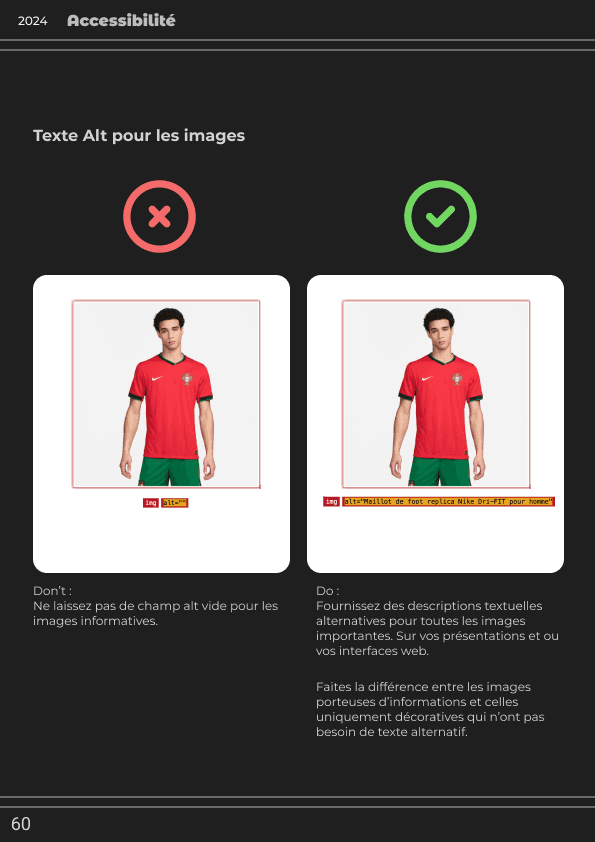
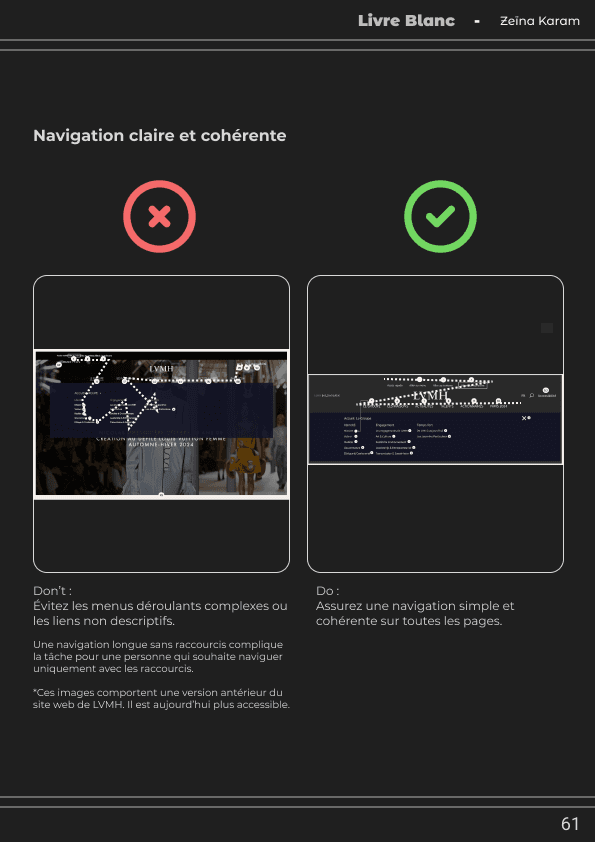
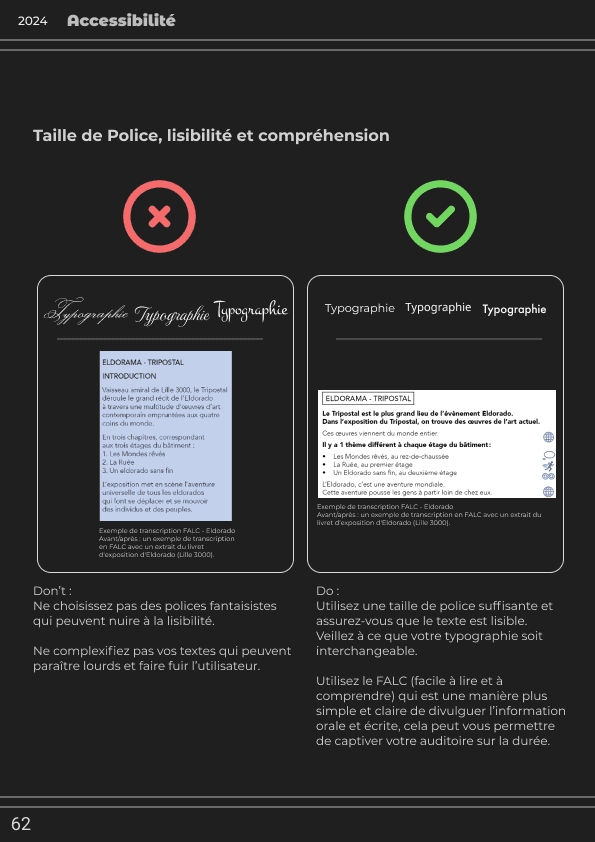
Translate RGAA standards into good visual and functional practices
Equipping teams to be autonomous
White Paper
Accessibility
In Brief!
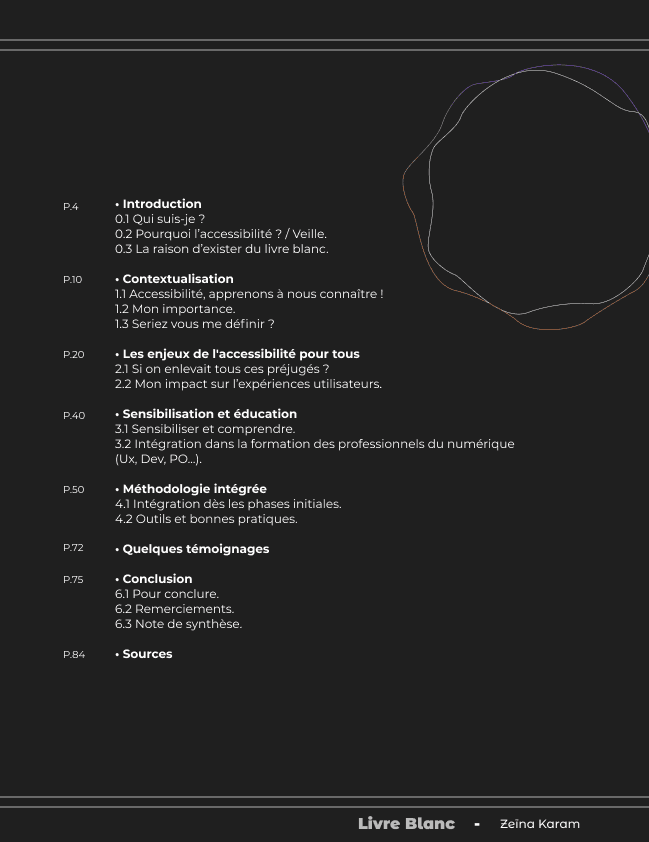
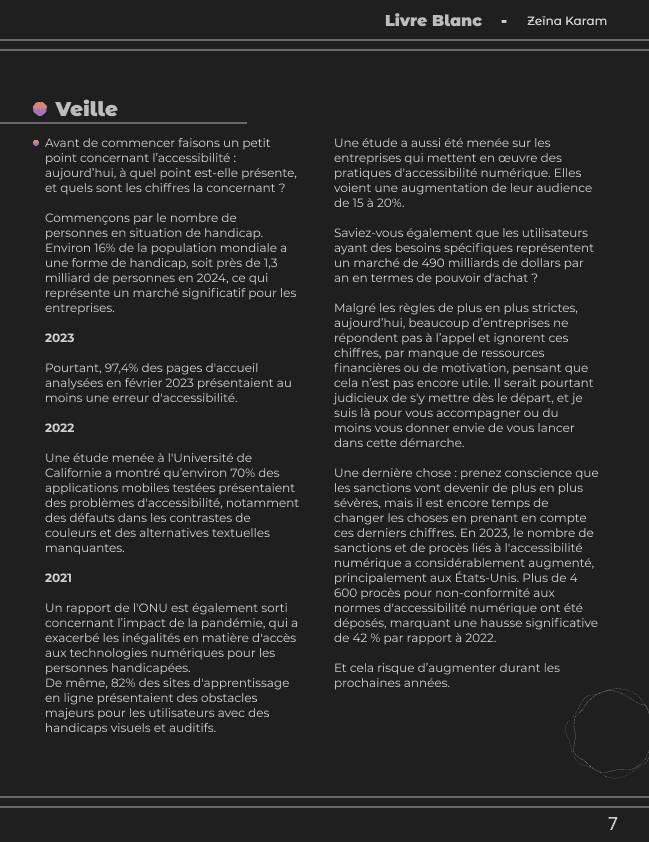
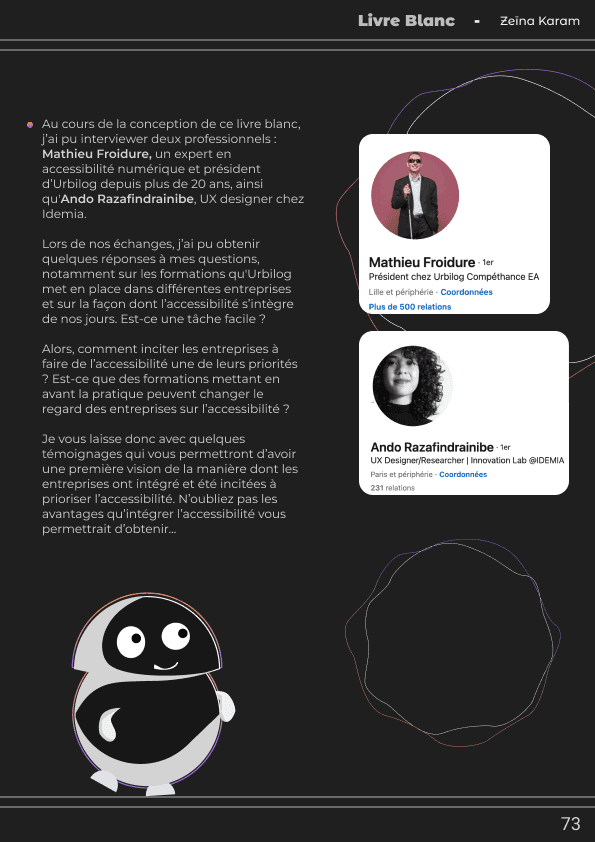
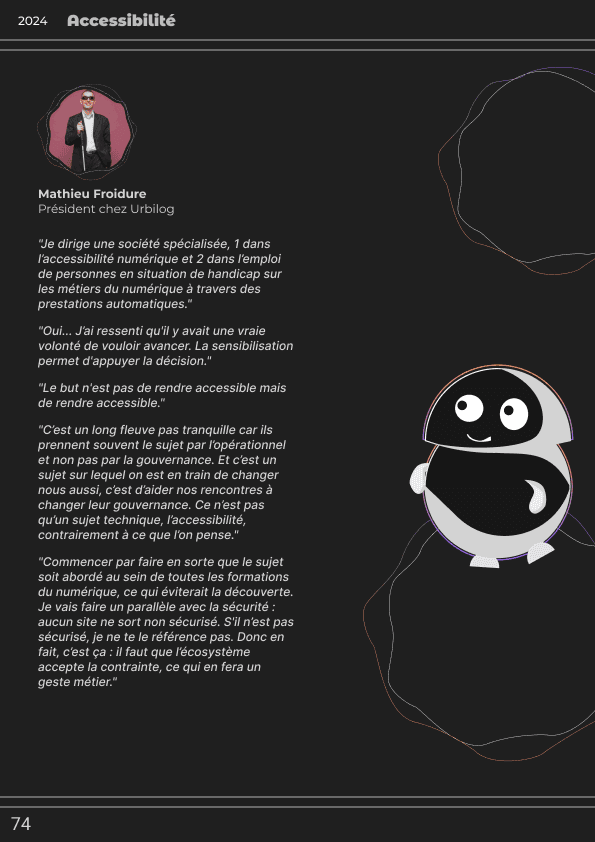
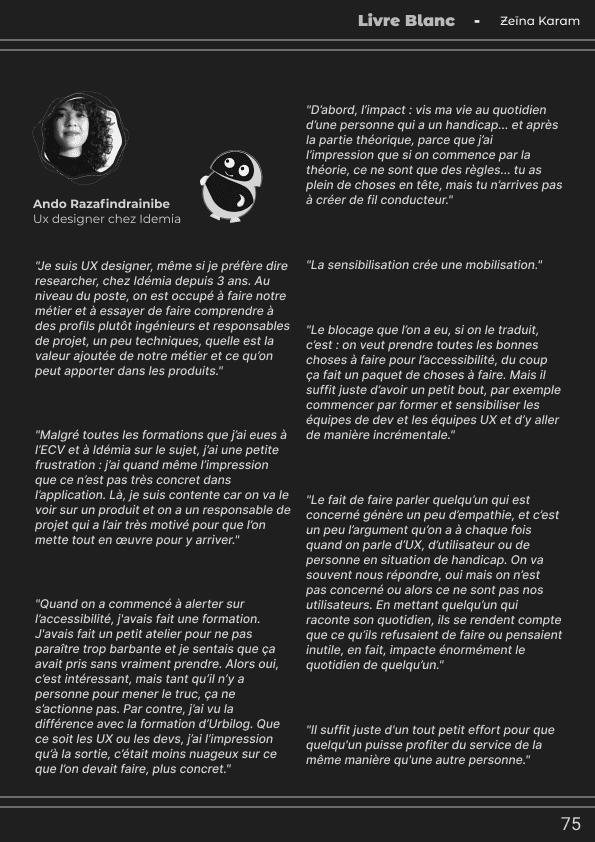
Rather than approaching accessibility as a technical standard to be applied at the end of the chain, this white paper proposes an approach rooted in the daily lives of product teams.
It starts from a simple observation: integrating accessibility into an already launched product is often seen as a cost or a barrier. However, with the right tools and the right mindset, it's an opportunity to improve the quality, robustness, and reach of the product.
I propose:
A simplified reading of the issues of accessibility in real contexts;
Concrete levers to activate at the design, tech, and product levels;
Gradual integration paths, tailored to team and roadmap constraints.
This white paper is aimed at designers, developers, POs, and managers and seeks to transform accessibility into a collective reflex, aligned with the goals of the product.





















Accessibility
In Brief!
To make accessibility more concrete and less intimidating, I regularly publish popularization posts on LinkedIn.
Each publication addresses a rule, an issue, or a good practice of accessibility, always adapted to the field, illustrated with concrete cases (like the series around the Aline Cuisine site), and translated into actionable advice for designers, developers, and product owners.
These contents aim to raise awareness without guilt, and to show that accessibility is not an additional layer, but a smart and inclusive design approach, even on projects with limited resources.